
High water bill in Folsom and how to tell a pool, irrigation or plumbing leak apart
Receiving an unexpected City of Folsom water bill showing double or triple your normal monthly consumption is an alarming discovery. In Folsom, where hot summer afternoon temperatures frequently exceed 100°F, high landscape irrigation demands and natural swimming pool surface evaporation can mask serious subsurface plumbing failures. A microscopic pinhole leak discharging just one gallon per minute wastes over 43,000 gallons of treated drinking water in a single thirty-day billing cycle, triggering elevated volumetric rate tiers on your municipal utility statement. Isolating whether an excessive water loss originates from a stuck sprinkler zone valve, an underground pool auto-fill loop, or a pressurized domestic copper slab leak requires a methodical diagnostic protocol.
The 15-Minute Water Meter Leak Isolation Test
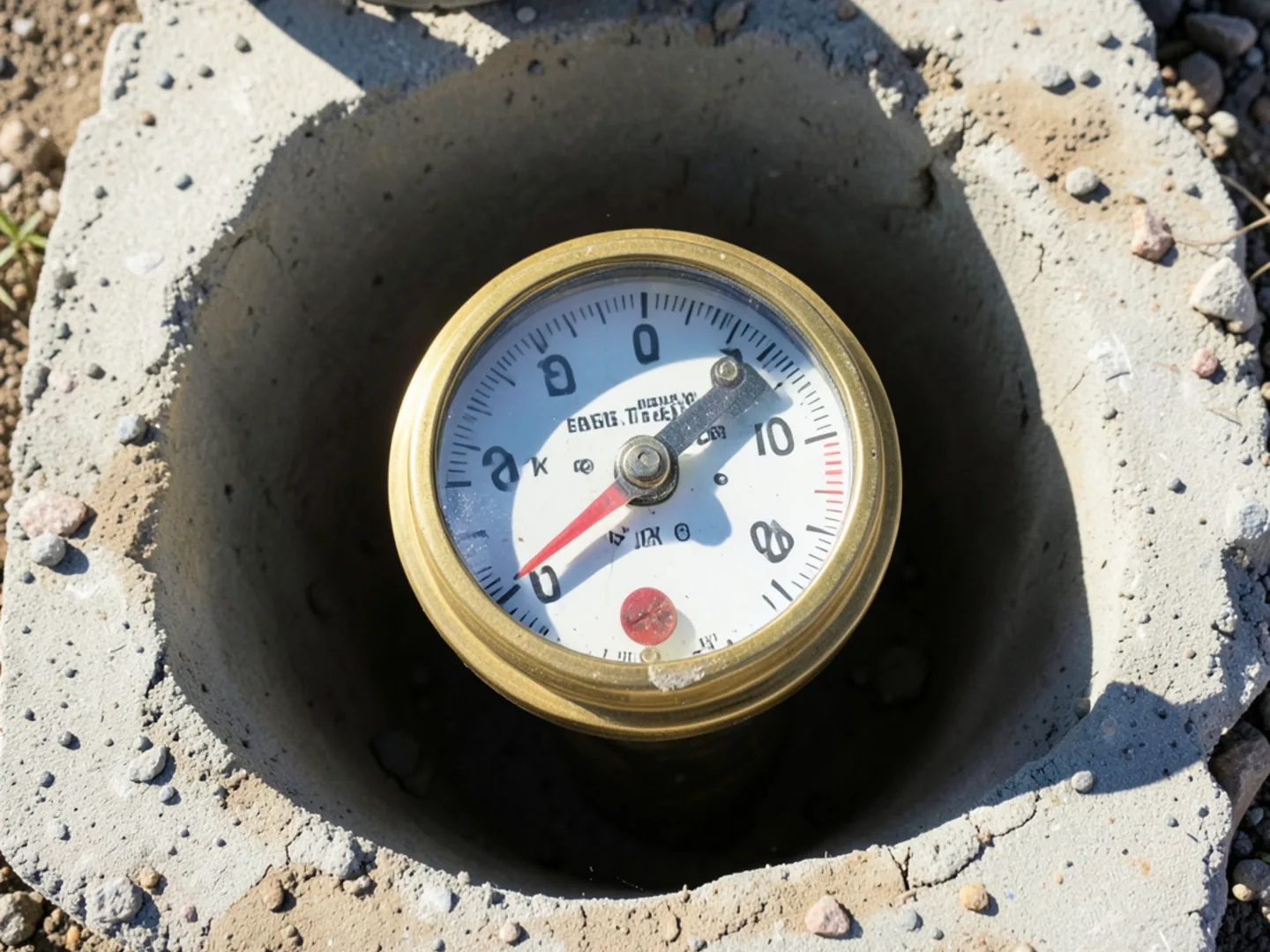
Your municipal water meter is your most precise, objective diagnostic instrument. Maintained by the City of Folsom Water Division, meters are typically housed inside a rectangular cast iron or composite box set flush with the sidewalk or front lawn near the street curb. Inside, the meter face features a low-flow leak detection indicator—either a small rotating red or blue triangle, a silver dial, or a high-resolution digital flow readout on newer electronic register heads—that moves whenever water flows past the meter disc.
Actionable Inspection Steps
Distinguishing Pool Auto-Fill Leaks from Domestic Slab Leaks
A large percentage of residential properties in Folsom—particularly throughout neighborhoods like Empire Ranch, Broadstone, and Lexington Hills—feature in-ground swimming pools equipped with automatic water leveling valves. These mechanical float assemblies are piped directly to the household pressurized potable water supply. If the brass or plastic float assembly sticks in an open position or if underground PVC feed lines crack due to soil settling, thousands of gallons of municipal water continuously dump into the pool and quietly discharge out through the skimmer overflow drain directly into the street gutter or storm sewer.
| Leak Category | Physical Manifestation | Water Meter Reaction | Estimated Waste |
|---|---|---|---|
| Domestic Slab Leak | Warm floor spots on tile, faint hissing behind walls, water heater running continuously | Meter spins constantly day and night | 1,000 – 3,500 Gallons / Day |
| Pool Auto-Fill Leak | Water pouring out through skimmer overflow drain, pool chemical imbalance | Meter stops when dedicated pool valve is isolated | 2,000 – 6,000 Gallons / Day |
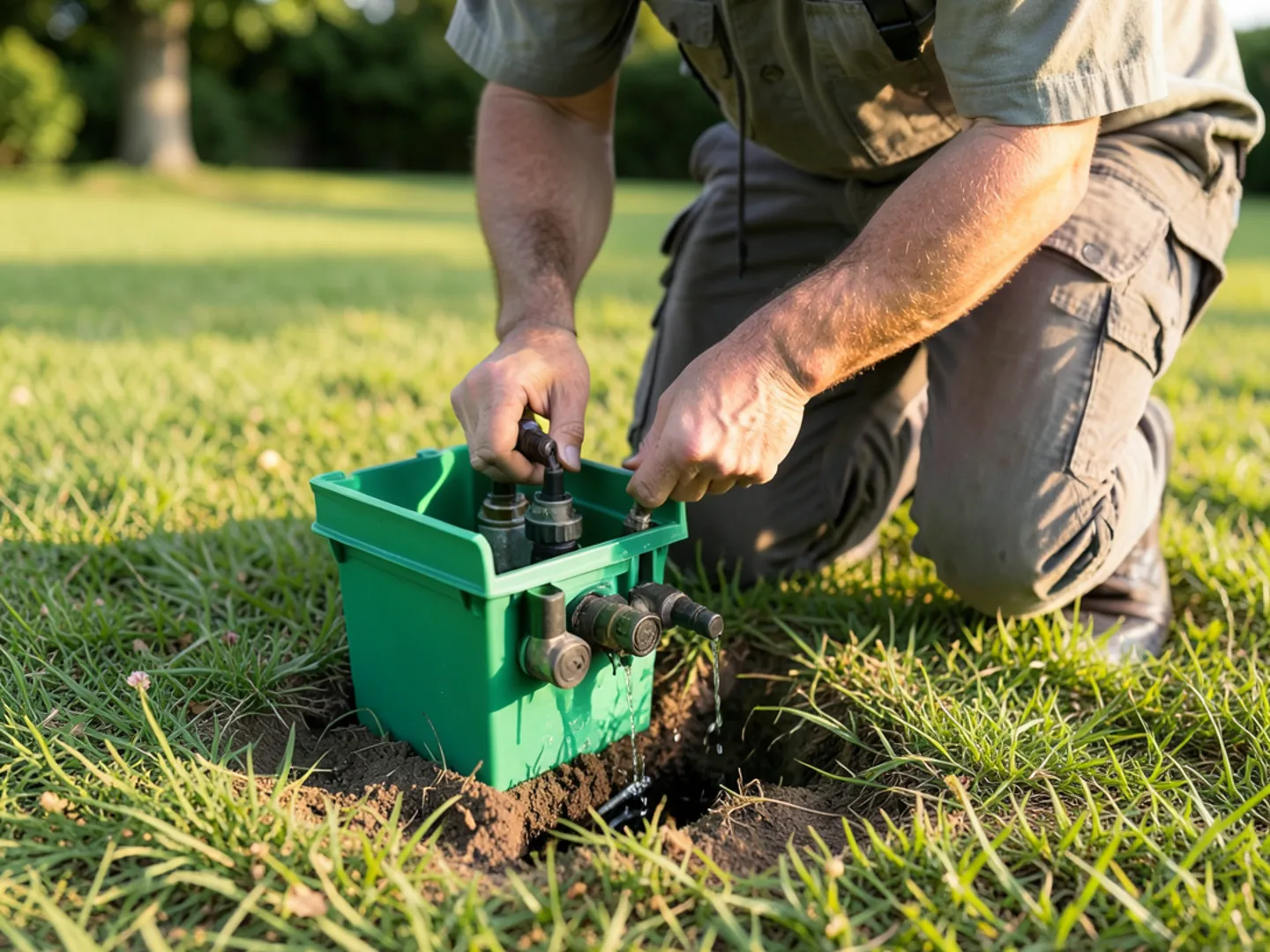
| Irrigation Valve Leak | Soggy turf around green valve boxes, low sprinkler head throw, muddy soil | Meter spins intermittently or slowly when main is open | 500 – 2,000 Gallons / Day |
| Running Toilet Flapper | Phantom filling sounds every 15 minutes, ripple marks on bowl surface | Meter pulses every time tank refills | 200 – 500 Gallons / Day |
The 24-Hour Evaporation Bucket Test for Swimming Pools
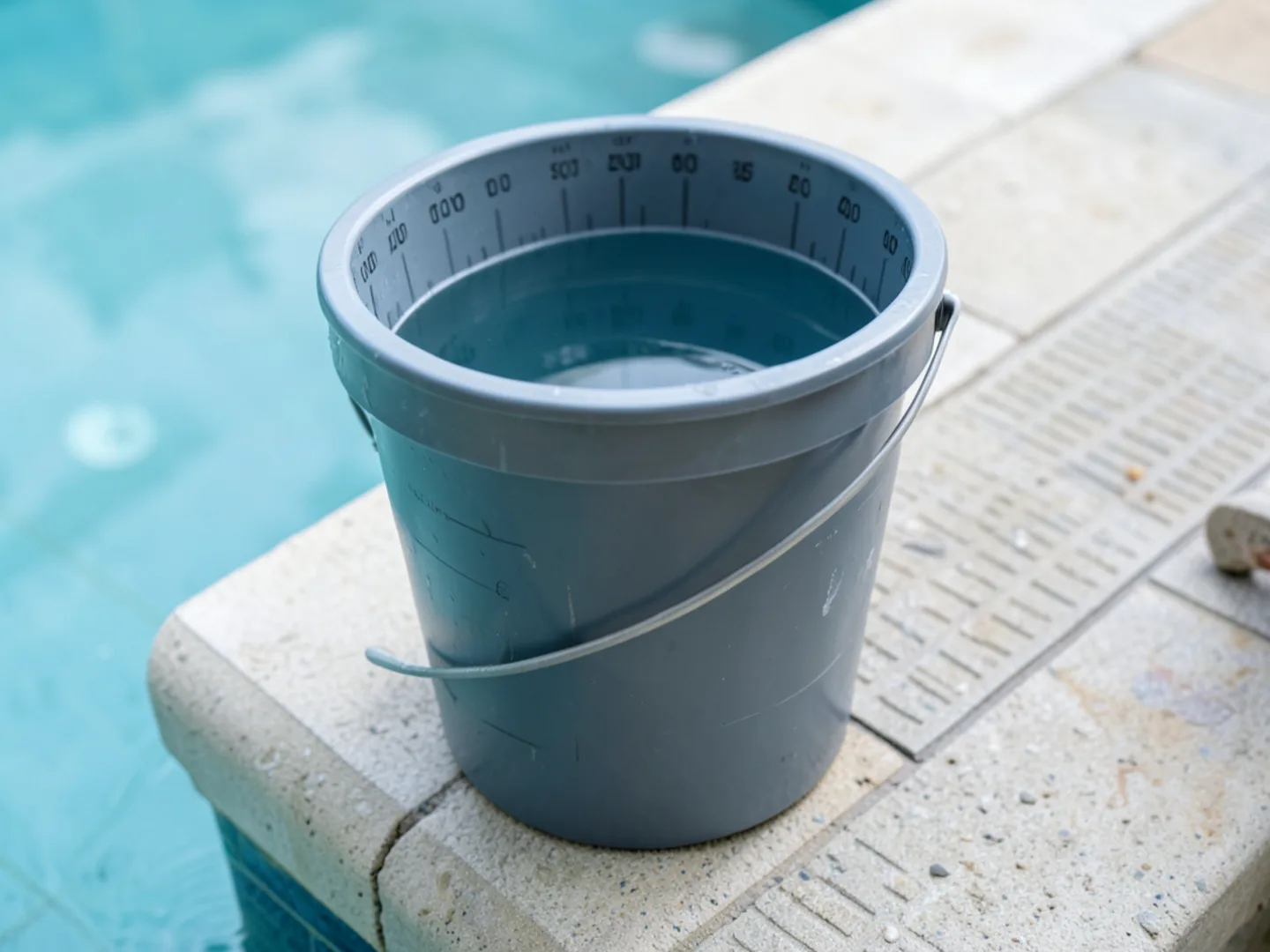
During Sacramento Valley summers, high ambient temperatures, low humidity, and afternoon delta breezes cause natural pool water evaporation averaging a quarter-inch to three-eighths of an inch per day. To determine definitively whether your swimming pool is losing water due to normal climate evaporation or a structural or plumbing leak, conduct a classic 24-hour bucket test:
Actionable Inspection Steps
Testing Irrigation Valves and Backflow Assemblies
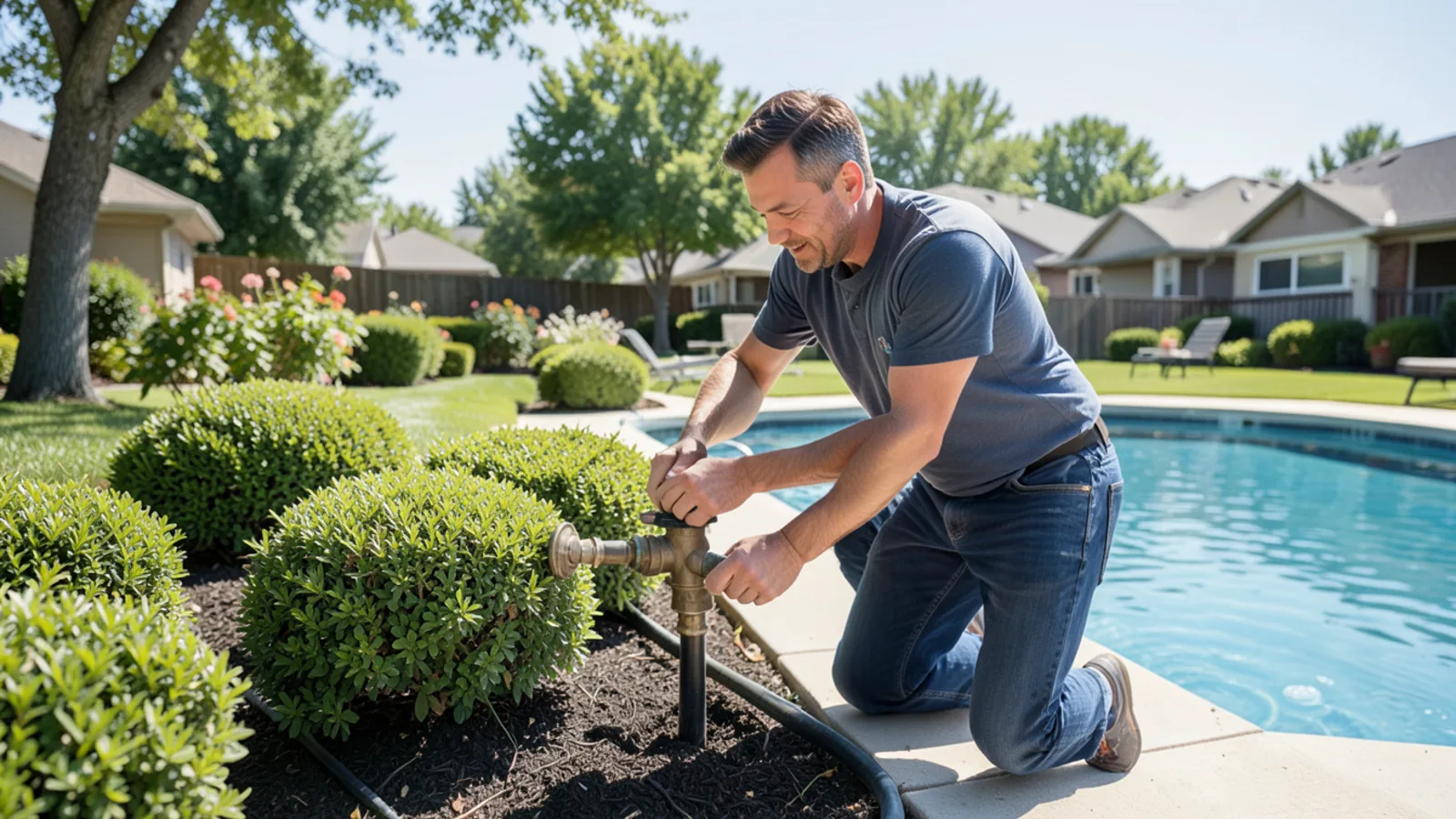
Automated yard sprinkler networks operate under full municipal pressure up to the zone control valves. Over years of seasonal operation, rubber diaphragm valves warp from mineral grit, underground PVC lateral lines crack under tree root pressure, and brass backflow preventer relief valves weep continuously. To isolate an irrigation leak, turn off the dedicated brass shutoff valve on your reduced-pressure (RP) or pressure vacuum breaker (PVB) backflow preventer assembly located on your side yard. If your water meter immediately stops spinning after closing the backflow shutoff, your domestic interior plumbing is intact and the water loss is confined entirely to your exterior sprinkler manifold or valve boxes.
Sub-Slab Pressurized Copper Pinhole Leaks and Acoustic Correlation
When the meter isolation test confirms that water is escaping inside the home and no toilets or fixture faucets are dripping, the failure is almost certainly an underground slab leak. Homes built across Folsom throughout the 1980s, 1990s, and early 2000s feature copper water supply tubing embedded directly inside or beneath monolithic post-tension concrete slabs. Hot water copper lines are particularly susceptible: continuous thermal expansion against abrasive sub-slab cobble and gravel stones, combined with hot water turbulence, creates microscopic pinholes. Because water escapes under 60 to 90 PSI pressure, it produces a distinct high-frequency acoustic friction frequency that travels through the concrete. Rather than blindly breaking concrete or cutting exploratory holes through finished flooring, licensed plumbing specialists deploy electro-acoustic ground sensors and high-resolution FLIR thermal imaging cameras to pinpoint the leak coordinate within inches.
When to Call a Professional Leak Detection Specialist
If your meter test reveals continuous flow that cannot be halted by closing toilet angle stops or irrigation valves, prompt professional diagnostic intervention is essential. Uncontrolled sub-slab water leaks can erode structural soil support beneath post-tension foundations, encourage mold growth behind baseboards, and ruin hardwood, laminate, or carpet flooring. Our licensed C-36 plumbing team provides non-invasive electronic leak detection and executes overhead Uponor PEX-A bypass reroutes that resolve leaks permanently without jackhammering your home's foundation.
Frequently asked questions about this guide
How much water can a small plumbing leak waste in one billing cycle in Folsom?
A pinhole leak as small as 1/16th of an inch running at 60 PSI will waste approximately 25,000 to 45,000 gallons per month. In Folsom, where municipal water rates are tiered based on volume consumed, this can add $200 to $450 to your monthly utility bill.
What is the City of Folsom leak adjustment policy for high water bills?
The City of Folsom Water Division offers a partial leak adjustment for residential customers who experience an unexpected bill spike caused by a hidden underground or plumbing leak, provided the repair is completed promptly by a licensed C-36 contractor and an itemized repair invoice is submitted.
How can I tell if my swimming pool auto-fill line is leaking underground?
Locate the dedicated shutoff valve for your pool auto-fill (often near the pool equipment pad or backflow preventer) and turn it off. Check your city water meter: if the meter stops spinning immediately, the underground line feeding the float chamber or the float valve itself is leaking.
Why does my hot water line develop a slab leak more often than the cold line?
Hot water pipes expand and contract significantly every time hot water is used. This continuous thermal movement causes the exterior copper pipe wall to rub against abrasive gravel, aggregate, and concrete under the slab, accelerating friction wear and resulting in pinhole ruptures.
Will an irrigation leak show on my water meter if the timer is not running?
Yes, if the leak is located on the pressurized mainline pipe upstream of your zone solenoid valves, on the backflow preventer assembly, or if a valve diaphragm fails to seal completely, water will continuously escape and cause the meter to spin 24/7.
Related services and service areas:
Need on-site plumbing diagnostics?
Our licensed Folsom technicians provide upfront written estimates and fast dispatch from Creekside Dr.