
Tankless or tank water heater for a Folsom home
Replacing a water heater is one of the most consequential mechanical equipment upgrades a Folsom homeowner will make. With summer garage temperatures routinely climbing past 125°F, rising natural gas commodity tariffs, and strict California Title 24 energy conservation mandates, choosing between a conventional 50-gallon storage tank and an on-demand condensing tankless water heater requires a rigorous analysis of fuel supply, venting, cold-groundwater temperature rise, and long-term operating economics. Both systems offer specific advantages depending on household occupancy patterns, mechanical room configurations, and electrical panel capacities.
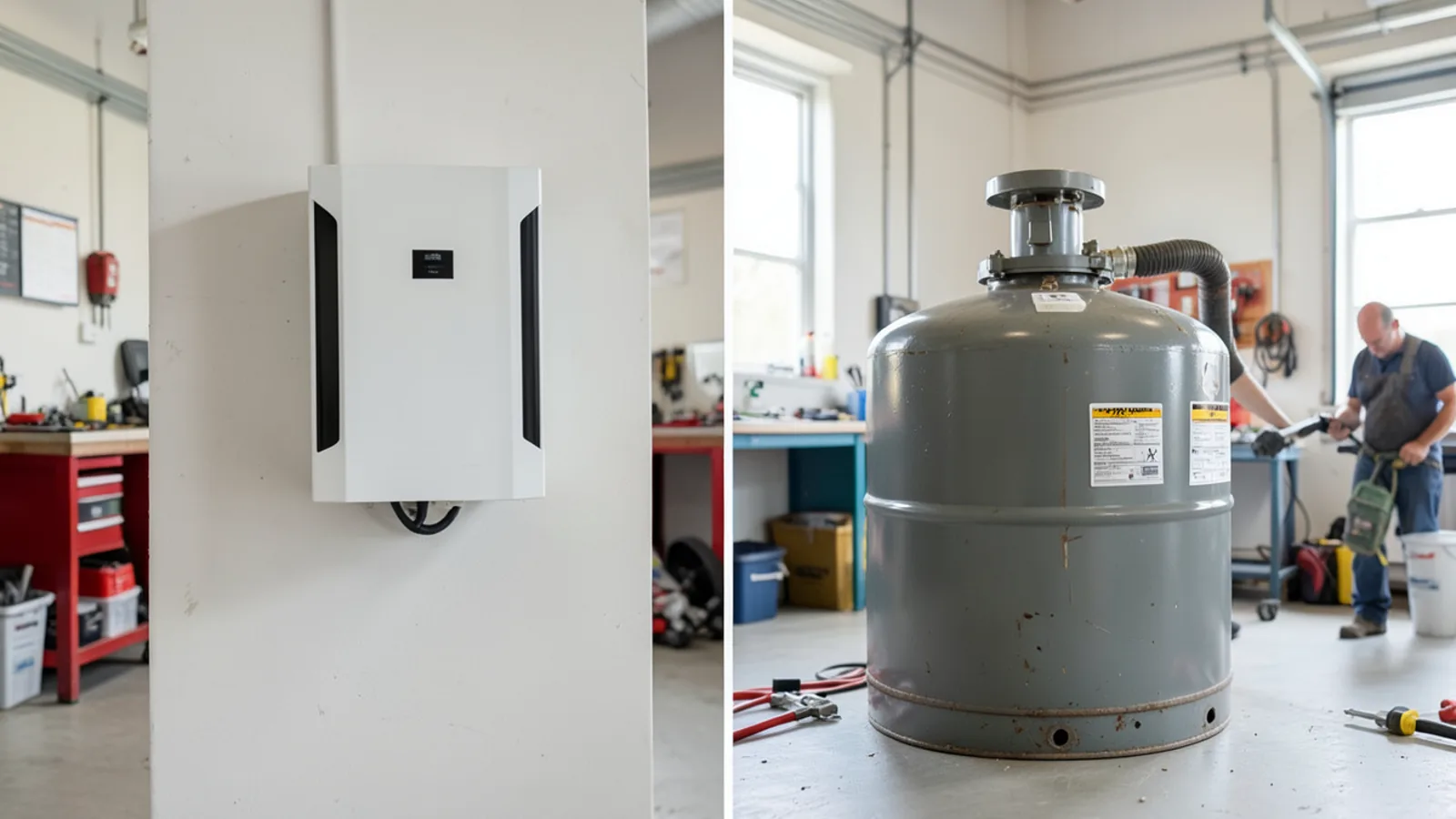
Head-to-Head Comparison: Tank vs. Tankless
Traditional storage tank water heaters maintain 40 to 50 gallons of water continuously at 120°F to 140°F twenty-four hours a day, radiating continuous standby heat into your garage regardless of whether your family is asleep, at work, or on vacation. High-efficiency condensing tankless water heaters completely eliminate standby loss by activating modulating gas burners only when a hot water fixture is opened, delivering endless continuous hot water while mounting compactly on an interior or exterior wall.
| Engineering Metric | Standard 50-Gal Atmospheric Gas Tank | High-Efficiency Condensing Tankless (Navien/Rinnai) |
|---|---|---|
| Expected Service Life | 10 – 12 Years (accelerated by garage heat) | 20 – 25 Years with dual stainless heat exchangers |
| Hot Water Capacity | Finite: runs cold after 40–50 gallons drawn | Continuous: endless hot water at rated GPM |
| Energy Efficiency (UEF) | 0.58 – 0.64 Uniform Energy Factor | 0.95 – 0.98 Uniform Energy Factor |
| Gas Supply Demand | 36,000 – 40,000 BTU/hr (1/2-inch gas pipe) | 180,000 – 199,000 BTU/hr (3/4-inch to 1-inch line) |
| Garage Space Footprint | Requires 9 sq ft floor space + clearance | Wall-mounted (zero floor footprint) |
| Venting Material | Type B metal chimney through roof flashing | Direct-vent Schedule 40 PVC or polypropylene out side wall |
The Impact of Folsom Summer Garage Heat on Water Heaters
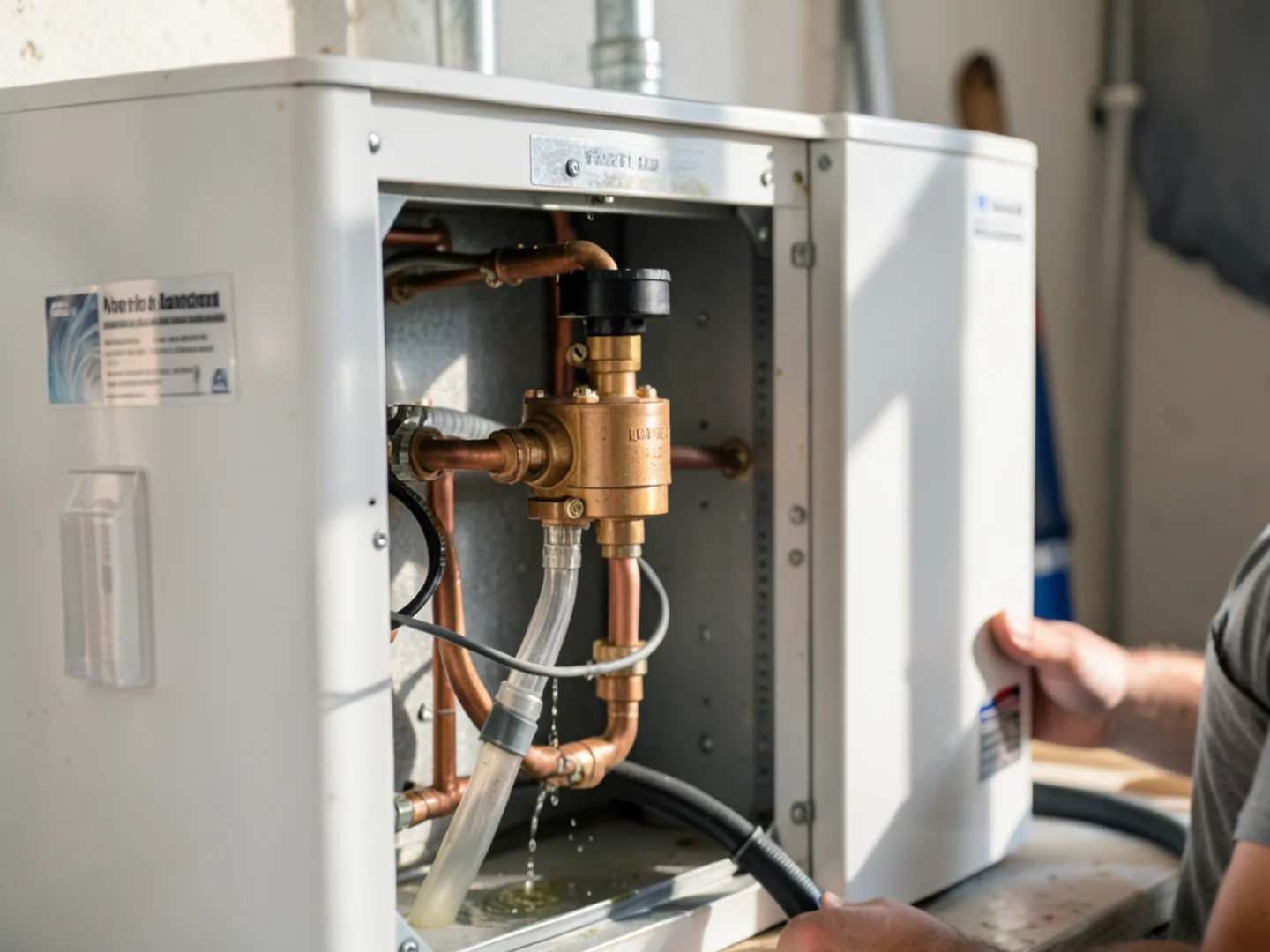
In Folsom, water heaters are installed almost universally inside unconditioned attached garages. Throughout July and August, ambient garage air temperatures routinely reach 125°F to 135°F. For traditional atmospheric storage tanks, intense ambient heat creates extreme thermal expansion inside the steel vessel. This chronic expansion causes premature fatigue on internal glass linings, degrades the sacrificial magnesium anode rod in fewer than three years, and forces Temperature-Pressure Relief (TPR) valves to weep onto the concrete floor. Conversely, modern condensing tankless units utilize sealed combustion chambers that draw 100% of their intake air from outside the building through direct-vent PVC piping, operating at peak thermal efficiency without absorbing or radiating excess ambient heat into the garage.
Gas Line Sizing, BTUs, and Cold Groundwater Temperature Rise
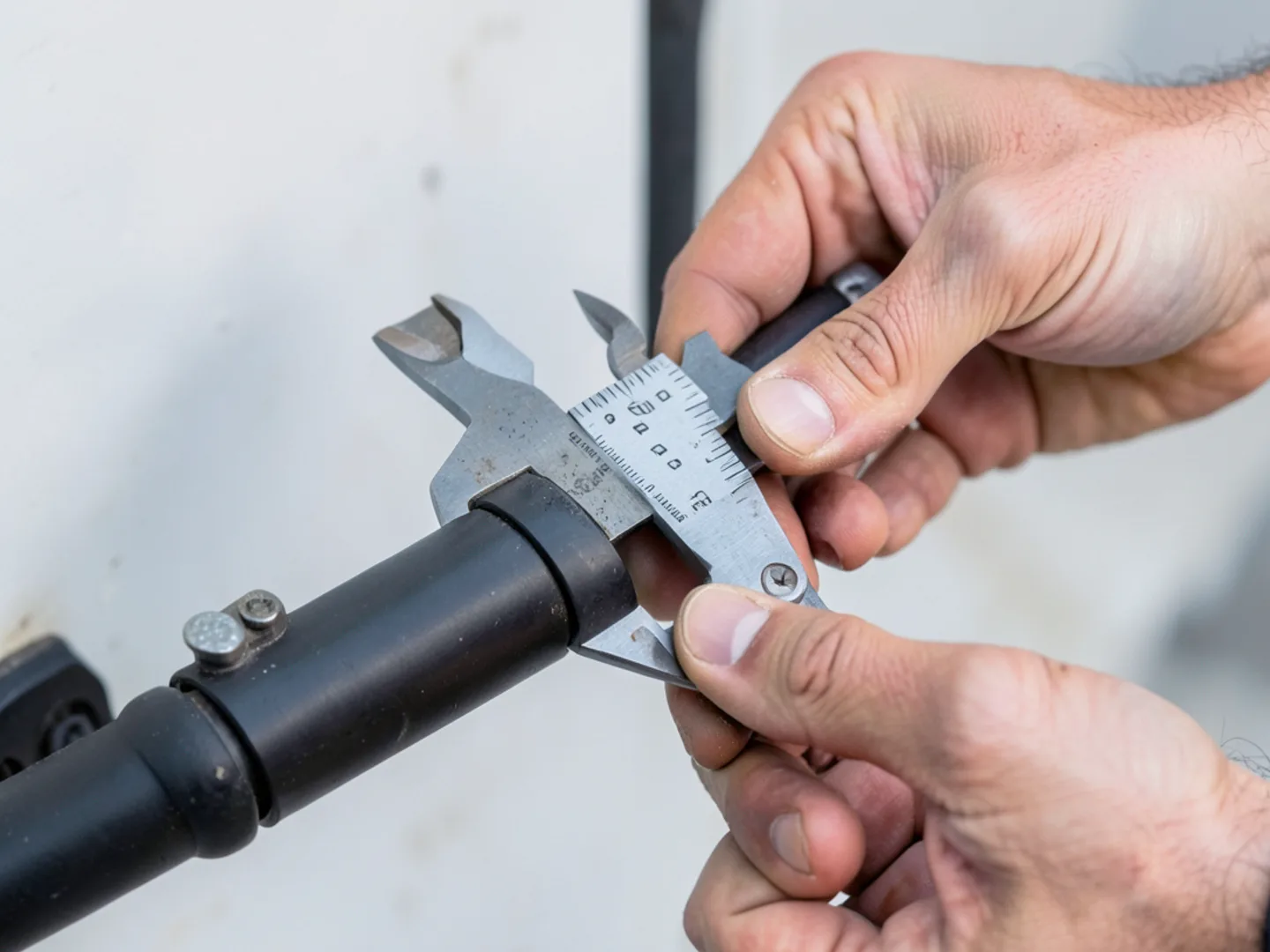
The single most common engineering hurdle when transitioning from a tank to a tankless unit is natural gas delivery. A conventional 50-gallon tank consumes only 40,000 BTUs per hour through a standard half-inch supply pipe. A tankless water heater firing at full capacity demands up to 199,000 BTUs per hour to heat incoming cold water instantly. During winter months in Folsom, municipal drinking water sourced from Folsom Lake arrives at your foundation at 48°F to 52°F. To elevate this cold water to a comfortable 120°F shower temperature requires a substantial 70°F temperature rise. Delivering 5.0 to 5.5 gallons per minute at a 70°F rise requires the burner to fire at its maximum 199k BTU threshold. In homes built prior to 2005, our licensed plumbers often install a dedicated 3/4-inch or 1-inch gas line branch from the primary PG&E gas meter to prevent burner starvation and ensure uninterrupted flame modulation.
Actionable Inspection Steps
Water Quality, Scale Prevention, and Annual Descaling in Folsom
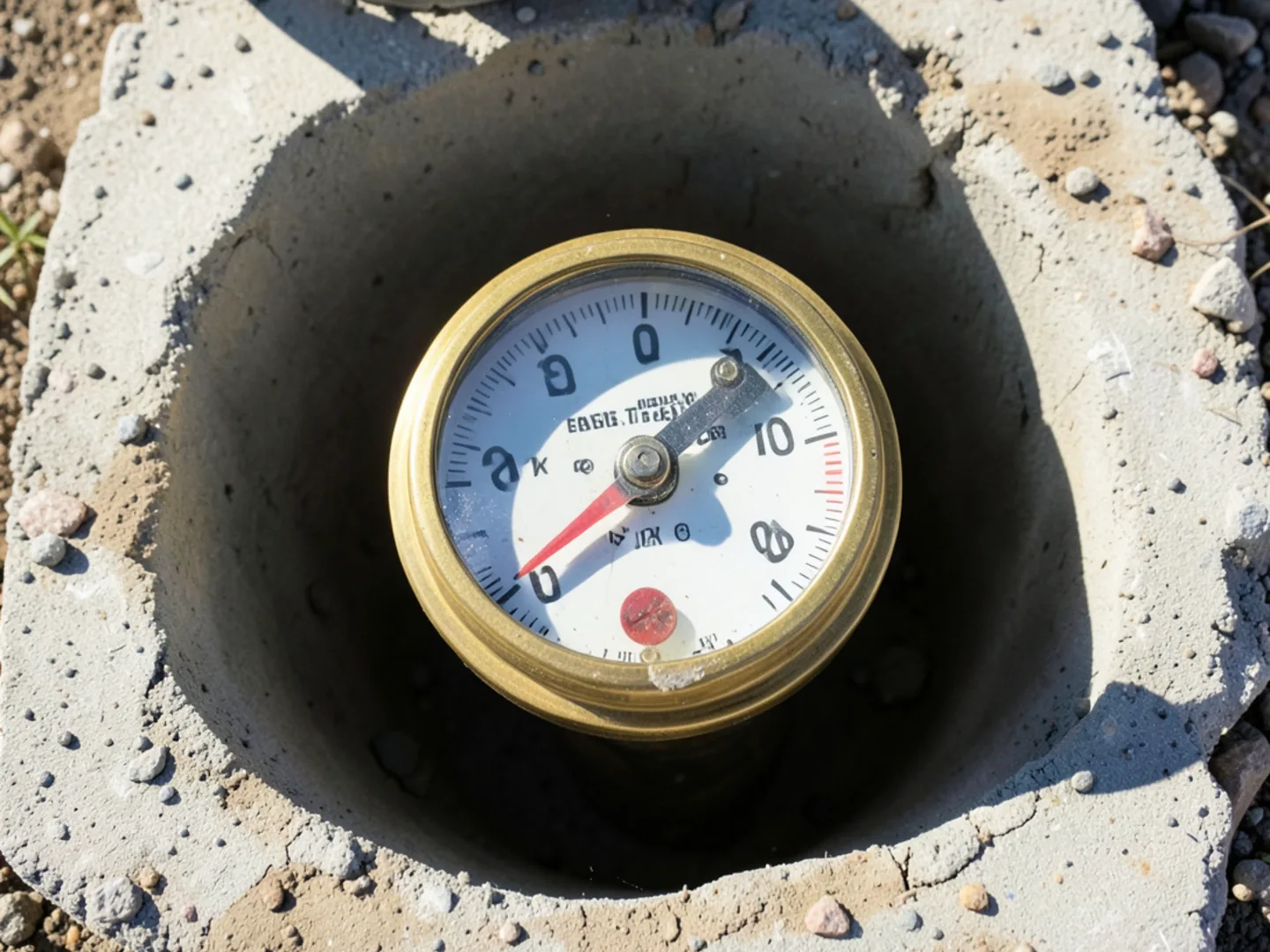
Water quality in the City of Folsom is exceptionally favorable for tankless equipment. Drawing primarily from the American River watershed at Folsom Lake, municipal water exhibits low mineral hardness ranging between 20 and 50 ppm (1.2 to 3.0 grains per gallon). Unlike foothill communities dependent on limestone aquifers, Folsom's naturally soft water minimizes mineral scale accumulation inside copper and stainless steel heat exchangers. Nevertheless, microscopic mineral deposits slowly bake onto heat transfer surfaces over time. We install all tankless systems with dedicated brass isolation service valves, allowing homeowners or our technicians to perform a quick 45-minute annual vinegar or citric acid recirculation flush that preserves factory thermal transfer efficiency and maintains equipment warranties.
SMUD Rebates and Electric Hybrid Heat Pump Alternatives
For Folsom homeowners considering complete home electrification, the Sacramento Municipal Utility District (SMUD) offers substantial residential energy rebates—up to $4,000—for replacing older gas water heaters with high-efficiency electric hybrid heat pump water heaters. Hybrid heat pumps operate by extracting ambient heat from garage air and transferring it into a water storage vessel via a refrigeration cycle, achieving an extraordinary 3.50+ Uniform Energy Factor. However, heat pump water heaters require a dedicated 240-volt 30-amp electrical circuit, occupy significant vertical floor space, and exhaust cool air into the garage during operation. Our technicians evaluate your main electrical panel capacity, garage layout, and daily hot water volume to help you choose between gas tankless and electric heat pump systems.
City of Folsom Permitting and Title 24 Safety Compliance
Replacing or converting a water heater in the City of Folsom is not an unmonitored handyman job. Under California Building Standards Code Title 24 and City of Folsom Municipal Code Title 15, all water heater installations require an official building permit issued through the City of Folsom Community Development Department via eTRAKiT. Permitted installations require dual seismic strapping (for tanks) or seismic structural wall plate anchoring (for tankless), certified gas shutoff valves, emergency water isolation valves, thermal expansion control, and hardwired carbon monoxide detectors installed outside sleeping quarters under California Health and Safety Code Section 17926. We pull all permits, manage code compliance, and schedule final city inspections directly.
Frequently asked questions about this guide
Can a tankless water heater handle two simultaneous showers in a Folsom winter?
Yes, provided the unit is sized correctly for winter groundwater temperatures. A 199,000 BTU condensing unit delivers approximately 5.0 to 5.4 gallons per minute at a 70°F temperature rise (heating 50°F winter water to 120°F), which easily supports two low-flow 2.0 GPM showerheads and a bathroom lavatory running at the same time.
Do I have to upgrade my natural gas line to install a tankless water heater?
In many Folsom homes built before 2005, the existing water heater was supplied by a 1/2-inch gas pipe rated for only 40,000 BTUs. Installing a 199,000 BTU tankless unit generally requires upgrading the gas branch to 3/4-inch or 1-inch pipe, or connecting directly to a dedicated manifold tap near the meter.
How often does a tankless water heater need to be descaled in Folsom?
Because Folsom municipal water is naturally soft (20 to 50 ppm hardness), descaling is only required once every 18 to 24 months. We install full-port brass isolation service valves with every unit so a routine recirculation flush can be completed in under an hour.
Does the City of Folsom require a building permit for tankless installation?
Yes. All water heater installations and conversions require a mechanical/plumbing permit processed through the City of Folsom Community Development Department via the eTRAKiT online system, followed by a final safety inspection.
What is the difference between a condensing and non-condensing tankless water heater?
Non-condensing units utilize a single heat exchanger, vent through expensive stainless steel pipe, and achieve around 80% efficiency. Condensing units feature a secondary stainless steel heat exchanger that captures waste heat from exhaust gases, achieving 95% to 98% efficiency and venting through inexpensive PVC pipe.
Related services and service areas:
Need on-site plumbing diagnostics?
Our licensed Folsom technicians provide upfront written estimates and fast dispatch from Creekside Dr.